
线性稳压器及LDO是什么? 都有什么优势?有什么作用?
线性稳压器是一种电子设备,是用来稳定电压的,即输入的电压有波动,而输出的电压不变。它是通过调节电路中的电阻、电容、变压器等元件,使输入的电压在变化时,输出的电压保持不变。线性稳压器通常用于低电压直流电源中,用于电子元件的供电和保护。
LDO指低压差线性稳压器,是一种特殊的线性稳压器,它可以在输入电压与输出电压之间,仅有很小的电压差,通常为几百毫伏。
LDO可以用于晶体管、操作放大器、AD/DA转换器、芯片系统等电路中,用于保持稳定的电压输出,确保电路正常工作。优点:线性稳压器和LDO都具有稳定电压输出、噪声低、简单易用、无需调整等优点。此外,LDO还具有输出电压低噪声、负载响应快、电路稳定性好等优点。
作用:线性稳压器和LDO的主要作用是稳定电压输出,以确保电路正常工作。它们广泛应用于电子元器件、电子设备、通信等领域。
线性稳压器及LDO ST L7812ABV
| 产品分类 |
线性稳压器/LDO |
|
| 系列 |
6735 |
|
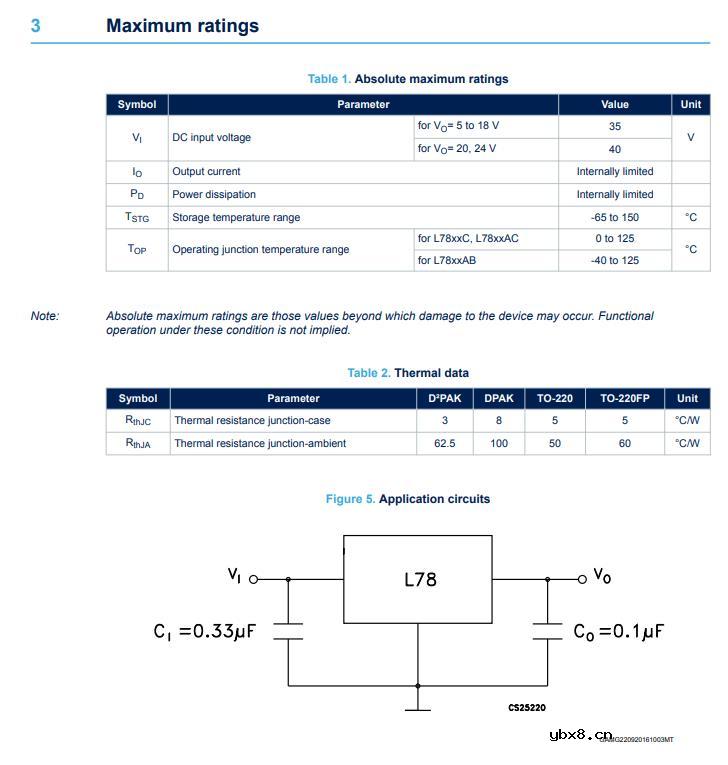
| 工作温度 |
-40℃~+125℃ |
|
| 安装类型 |
DIP |
|
| 封装/外壳 |
TO220 |
|
| 拓扑结构 |
升压 |
|
| 输出电压 |
12V |
|
| 长x宽/尺寸 |
10.40 x 4.60mm |
|
| 输出电流 |
1.5A |
|
| 静态电流(最大值) |
4.4mA |
|
| 输出电压精度 |
±2% |
|
| 高度 |
9.15mm |
|
| 引脚数 |
3Pins |
|
| 原始制造商 |
STMicroelectronics |
|
| 原产国家 |
Switzerland |
|
| 存储温度 |
-65~+150℃ |
|
| 元件生命周期 |
Active |
|
| 电源抑制比(PSRR) |
60dB |
|
| 负荷调节 |
30mV |
|
| 输入电压 |
35V |
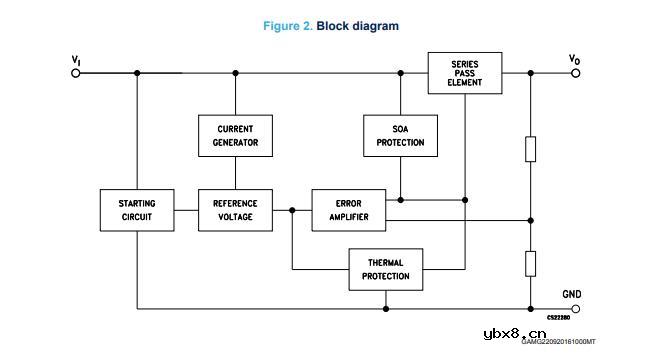
Features
• Output current up to 1.5 A
• Output voltages of 5; 6; 8; 8.5; 9; 12; 15; 18; 24 V
• Thermal overload protection • Short circuit protection
• Output transition SOA protection
• 2 % output voltage tolerance (A version)
• Guaranteed in extended temperature range (A version)
Description
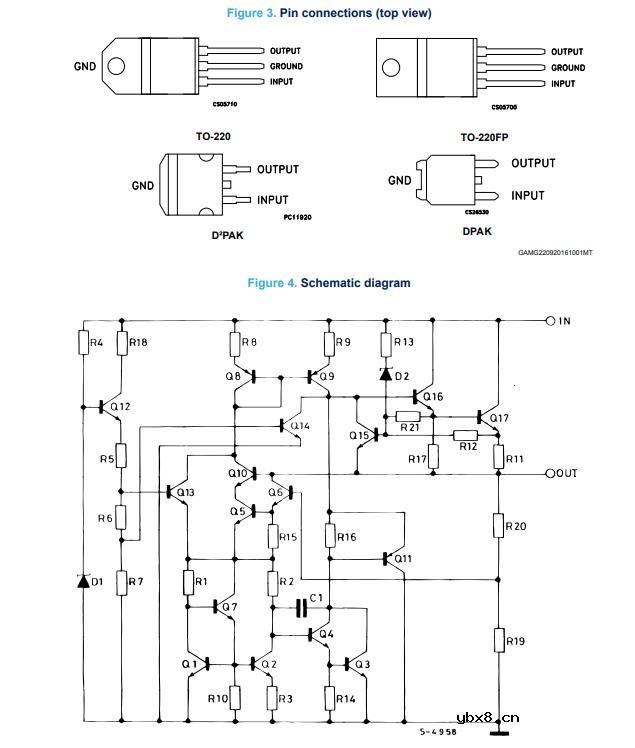
The L78 series of three-terminal positive regulators is available in TO-220, TO-220FP, D²PAK and DPAK packages and several fixed output voltages, making it useful in a wide range of applications.
These regulators can provide local on-card regulation, eliminating the distribution problems associated with single point regulation. Each type embeds internal current limiting, thermal shut-down and safe area protection, making it essentially indestructible. If adequate heat sinking is provided, they can deliver over 1 A output current. Although designed primarily as fixed voltage regulators, these devices can be used with external components to obtain adjustable voltage and currents.
 什么是感应电机?什么是无刷电机?二者有何区...
时间:2026-10-23
多核DSP的多路同步时钟信号设计
时间:2026-10-23
什么是lcd12864?lcd12864的特性及其应用举例
时间:2026-10-23
 IoT无线连接基础知识
时间:2026-10-23
光是一种电磁波,那么光的频率是多少?
时间:2026-10-22
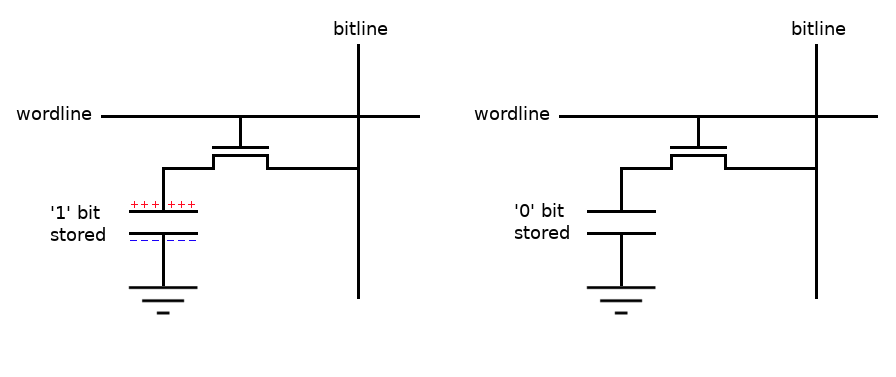 DRAM简介
时间:2026-10-22
电容耦合是什么意思呀?
时间:2026-10-22
什么是单总线
时间:2026-10-21
STM32的CAN总线通信实现
时间:2026-10-21
什么是电源管理?有什么作用
时间:2026-10-20
电阻的单位
时间:2026-03-05
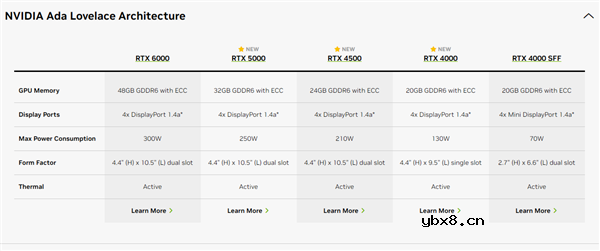 NVIDIA CPU+GPU超级芯片大升级!
时间:2026-03-09
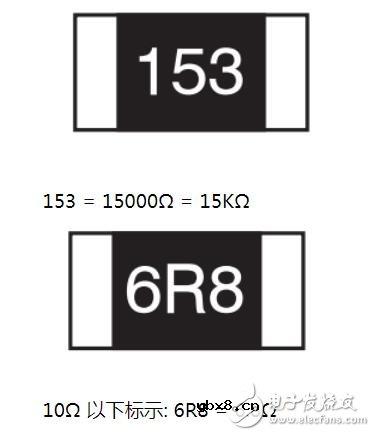 贴片电阻怎么看阻值
时间:2026-03-05
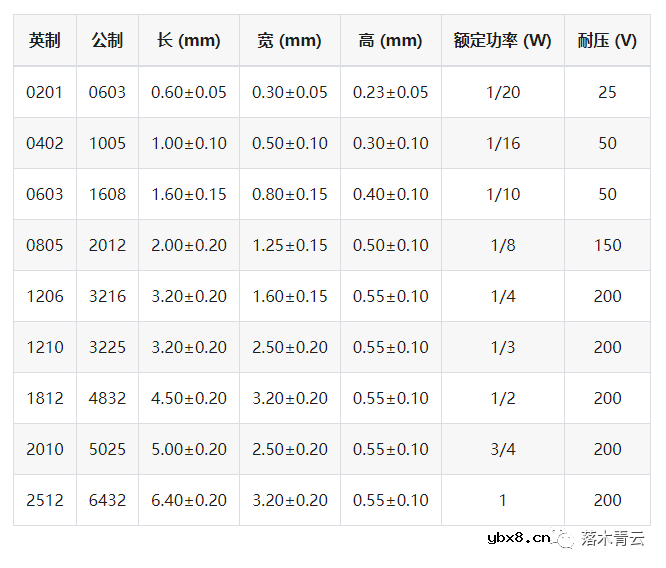 电阻的原理和作用 电阻色环识别图 电路中电...
时间:2026-03-09
什么是室温超导?半导体时代将走向结束?芯...
时间:2026-03-09
 HTCC:半导体封装的理想方式
时间:2026-03-06
 什么是硅片或者晶圆?一文了解半导体硅晶圆
时间:2026-03-09
 一文详解MOS管驱动电路拓扑的设计
时间:2026-03-09
 半导体光刻工艺 光刻—半导体电路的绘制
时间:2026-03-09
半导体行业之ICT技术简介
时间:2026-03-09